
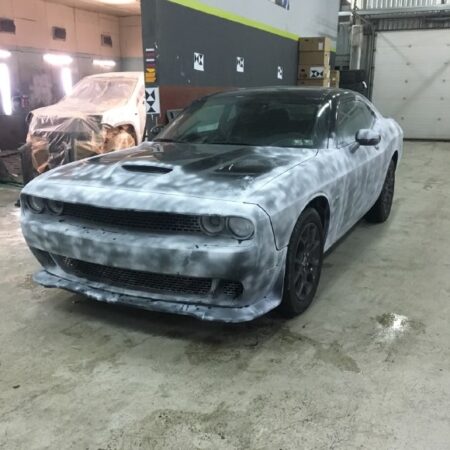
Dodge Challenger: 3D Scanning of the Exterior Body
Introduction
3D scanning has become one of the most valuable technologies in modern automotive design and customization. For a vehicle as iconic as the Dodge Challenger, precise 3D scanning of the exterior body allows tuners, designers, and engineering teams to create accurate digital twins, develop widebody kits, and produce custom aerodynamic components with perfect fitment.
In this article, we explore how 3D scanning is performed, why it is important for Challenger owners and aftermarket manufacturers, and what results you can expect from a full exterior scan.
What Is 3D Scanning?
3D scanning is a process of capturing the physical shape of an object and turning it into a digital 3D model. For cars, this is done using:
- Structured-light scanners
- Laser scanners
- Photogrammetry-based scanning
These systems create a highly accurate 3D mesh that reflects every curve, angle, and surface of the Dodge Challenger’s exterior body.
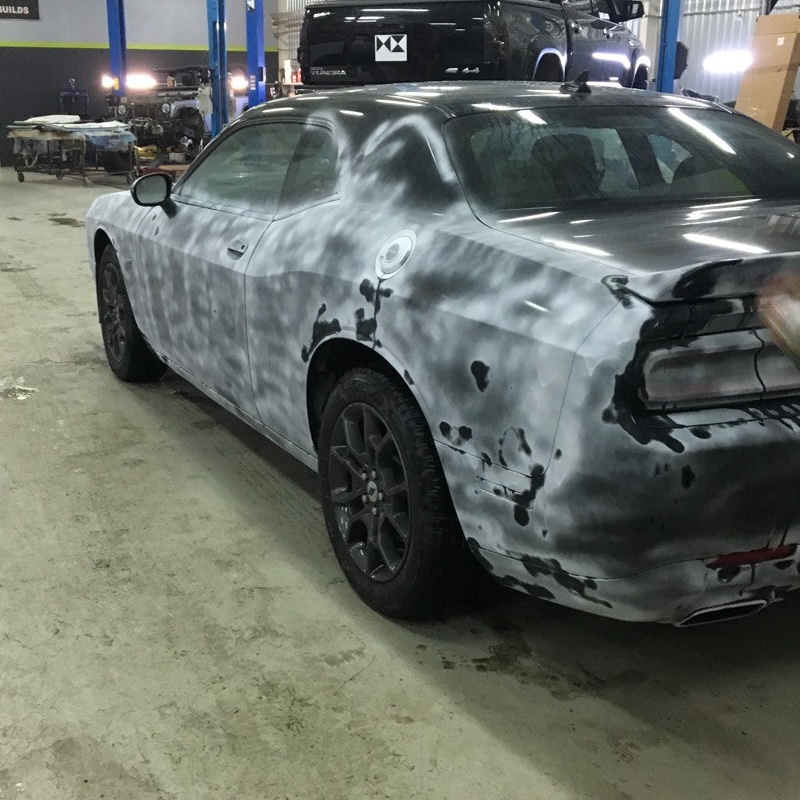
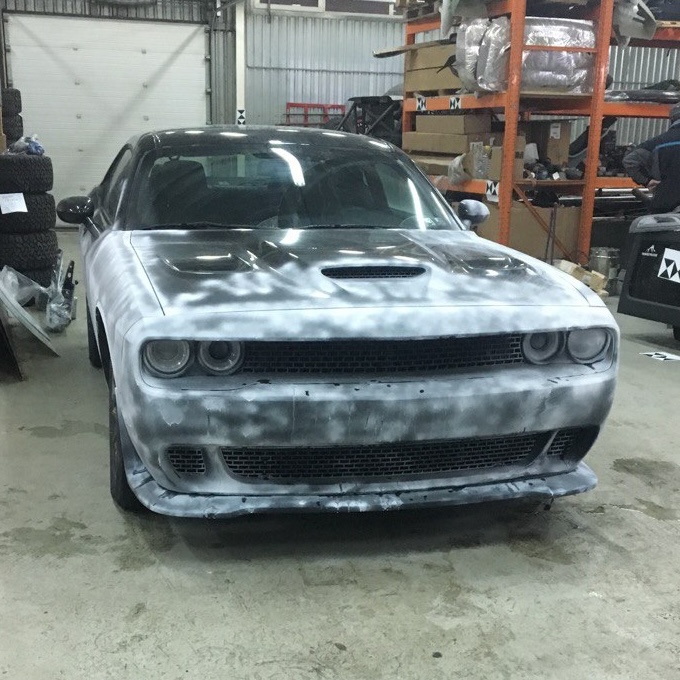
Why Scan a Dodge Challenger?
1. Perfect Fitment for Custom Parts
The Challenger is a muscle car with bold lines, wide panels, and aggressive geometry.
To develop:
- widebody kits
- spoilers
- diffusers
- canards
- splitters
- air ducts
- replacement body panels
Manufacturers need extremely precise reference data. A 3D scan ensures every new part fits exactly without gaps or alignment issues.
2. Creating a Digital Twin
A high-resolution 3D scan produces a full digital twin of the vehicle. This allows:
- CAD modeling
- reverse engineering
- structural analysis
- simulation of aerodynamics
- design testing before manufacturing
Designers can view the car in 3D, edit the geometry, and develop new aftermarket parts with confidence.

3. Faster Product Development
By scanning the Dodge Challenger, engineers can shorten the development cycle:
- no need for repeated physical test-fittings
- no manual measurements
- instant digital prototypes
- immediate quality control
3D scanning reduces the time required to bring a product from concept to final production.
4. Support for Restorations and Repairs
Scanning the exterior body helps:
- restore damaged cars
- fabricate discontinued panels
- replicate OEM shapes
- document custom builds
It’s especially useful for limited editions such as the Dodge Challenger SRT Hellcat, Redeye, Scat Pack, and Demon.
How the 3D Scanning Process Works
Step 1 – Preparation
The surface is cleaned, the car is positioned with enough space around it, and markers may be placed depending on the scanning system.
Step 2 – Exterior Body Scanning
A technician walks around the Challenger, capturing:
- front bumper
- fenders
- hood
- roofline
- doors
- quarter panels
- rear bumper
- side skirts
- wheel arches
The scanner collects millions of data points per second.
Step 3 – Processing the Scan
The raw scan is:
- aligned
- cleaned
- optimized
- converted into a watertight mesh
- exported to STL, OBJ, PLY, or CAD formats (STEP/IGES)
Step 4 – Delivering the Final Model
The final digital model can now be used for designing, measuring, and manufacturing custom parts.

Applications of Dodge Challenger 3D Scanning
✔ Widebody Kit Development
Creators of custom widebody kits can design components that follow the vehicle’s original lines with perfect precision.
✔ Aerodynamic Improvements
Engineers use the scan to simulate airflow and build:
- front splitters
- rear diffusers
- vortex generators
- underbody aero
✔ Virtual Fitment Testing
New wheels, fenders, bumpers, or spoilers can be tested digitally before real-world production.
✔ Custom Modifications
From LED conversions to grille redesigns — everything starts with an accurate 3D model.
Who Benefits from 3D Scanning a Dodge Challenger?
- Aftermarket manufacturers
- Widebody kit designers
- 3D modelers and CGI studios
- Wrap and vinyl designers
- Tuning shops
- Restoration workshops
- Automotive engineers
- Product developers
If your goal is to modify, replicate, or design for the Challenger, 3D scanning is the fastest and most reliable starting point.

Conclusion
The Dodge Challenger 3D exterior body scan is a crucial step for anyone creating precision automotive components or planning advanced customization. A highly detailed digital model provides unmatched accuracy, eliminates guesswork, speeds up development, and ensures perfect fitment for every part—from body kits to aerodynamic upgrades.
3D scanning transforms the classic American muscle car into a digital platform for innovation, creativity, and engineering excellence.